
Abuja’s Economic Boom: How Real Estate Investments Are Shaping Nigeria’s Future in 2025

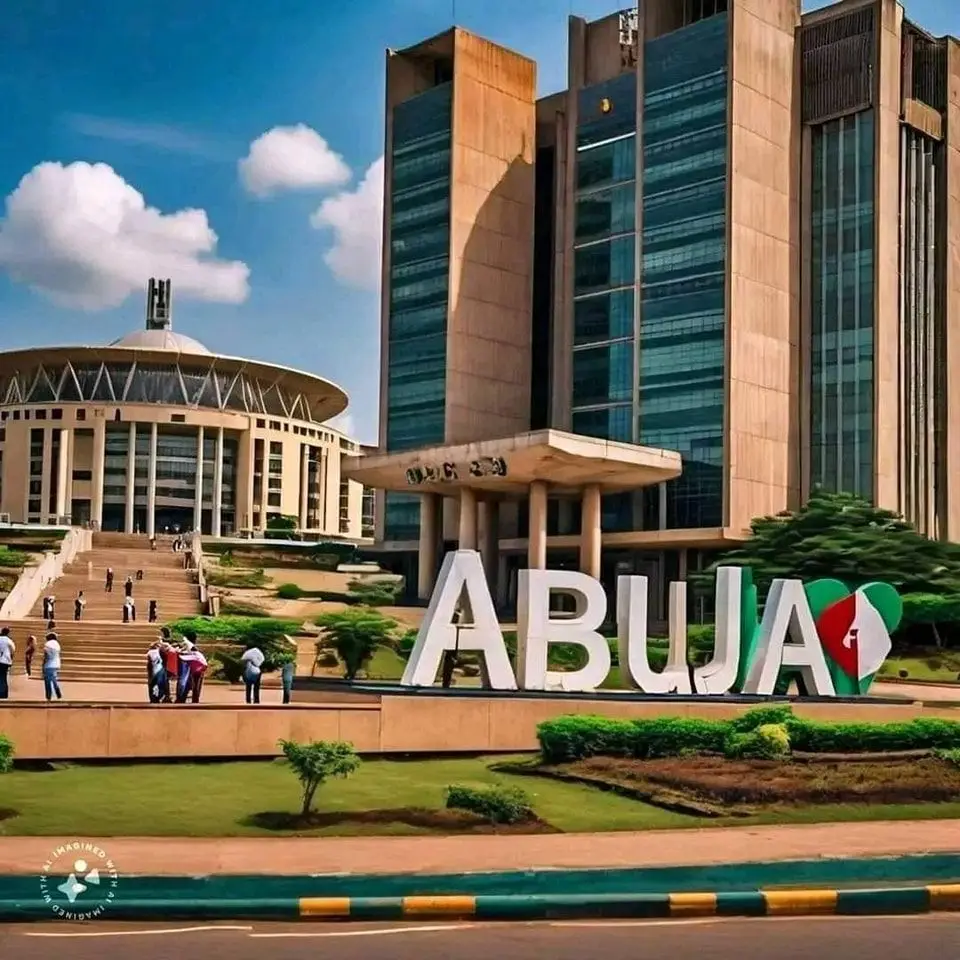
Abuja is growing fast. As the nation’s political and administrative heart, it now stands as one of the most dynamic urban economies in West Africa. In 2025 the city is not just expanding in size, it is creating new ways for Nigerians and foreign investors to build wealth. Real estate sits at the center of this change, and here is how the sector is shaping Nigeria’s future.
The scale of the opportunity
Nigeria’s real estate sector surged in value in recent years and is now one of the country’s largest economic contributors. New data shows the sector reached an output of roughly ₦41.3 trillion in 2024, making it the third largest contributor to the national economy. This rising weight in the economy means real estate is no longer a niche asset class, it is a major engine of growth.
At the city level, Abuja has seen rapid population increases. Current estimates place the metro area population at about 4.2 million in 2025, up by roughly 4 to 5 percent year on year. A growing population puts pressure on housing, services, and infrastructure, which in turn fuels demand for both residential and commercial property.
Why prices and demand are rising in Abuja
Three forces are combining to push prices and demand higher. First, supply remains constrained relative to rapid urban migration and household formation. Second, major government and public works projects are improving access across the city and establishing new growth corridors. The reopening and expansion of Abuja’s light rail network is an example of infrastructure that lowers travel time and raises the value of nearby land and homes.
Third, market reports and local analysts forecast continued price appreciation, with annual gains in many Abuja neighbourhoods expected in the high single digits. That pattern has encouraged both homeowners and investors to move earlier rather than later.
The knock-on effects for the wider Nigerian economy
When real estate grows, it affects dozens of supporting industries. Construction, building materials, transport, financial services, professional services such as architecture and legal work, and household goods all expand with new housing and commercial projects. A stronger real estate sector increases formal employment and raises tax revenue for governments, which can then be reallocated to more infrastructure and services. In short, a booming Abuja real estate market amplifies growth across the country.
Where investors are finding the best opportunities in 2025
Abuja’s scale and diversity mean there are multiple investment entry points:
1. Residential for rent
Mid-tier apartments and three-bedroom units in growth corridors can generate steady rental income. Rental yields in prime Nigerian neighborhoods have been reported at competitive levels compared with many traditional savings options. Target neighbour-hoods near transit lines and major commercial hubs for the best occupancy rates.
2. Value-add projects
Semi-finished developments and plots with secure titles provide opportunities to add value through finishing works, landscaping, or short-term letting. Projects that already have approvals reduce legal risk and speed up time to income.
3. Land banking along new infrastructure corridors
Where roads or rail open or are upgraded, land values tend to rise quickly. Recent reports show land prices in some districts climbing as infrastructure spending picks up. Investors who combine careful title verification with a clear exit plan tend to have better outcomes.
4. Mixed-use and short-let apartments
Abuja’s growing population and the presence of government offices and embassies attract short-term occupiers. Short-let and serviced apartments in safe, well-located estates can produce above-average returns when professionally managed.
Practical due diligence for buyers and investors
Real estate in a booming market offers opportunity, but it also requires discipline. Here are practical checks to reduce risk:
1. Verify title and approvals. Confirm FCDA and land registry documentation before any payment.
2. Inspect the site. Visit the plot, speak to neighbors, and request boundary and survey plans.
3. Confirm infrastructure promises. If a development’s value depends on a nearby road or transit link, confirm timelines with official sources.
4. Prefer documented payment stages. Use staged payments tied to deliverables and obtain receipts, provisional allocations, and final allocation letters.
5. Use a local real estate lawyer. A lawyer can spot ambiguous clauses and protect your interest in contracts.
Why 2025 is a pivotal year
Multiple indicators point to 2025 as a pivotal year for Abuja real estate. The sector’s rising national role, continued population growth, and renewed investment in transport and urban infrastructure combine to lift demand and values. For investors who perform due diligence and aim for strategic locations, Abuja presents a rare window to capture capital appreciation and rental income in a market that is maturing quickly.
Bottom line
Abuja’s real estate boom is more than a city story. It is part of Nigeria’s broader economic transformation. By creating jobs, channeling savings into productive assets, and linking growth corridors to new homes and businesses, real estate is reshaping the country’s economic future. For buyers and investors, the most valuable assets are verifiable approvals, solid location, and transparent processes. When those three are in place, Abuja’s growth becomes an investment you can see, measure, and rely on.
At Danga Homes, we bring Abuja’s real estate boom closer to you with developments that are FCDA approved, verifiable, and designed for both living and investment. From luxury duplexes in Jahi to smart apartments in Lokogoma and estate plots across prime districts, we give you opportunities you can trust. Reach out today to schedule a free inspection, review complete documentation, and receive Google Map pins to our sites. With Danga Homes, every promise is backed by proof.

