
The Future of Sustainable Real Estate in Nigeria: Building Greener, Smarter Communities

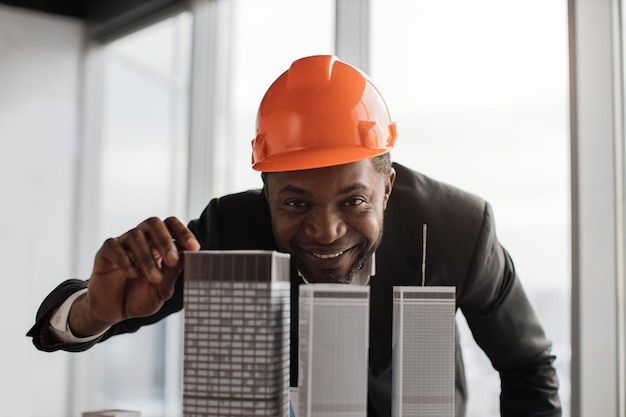
As Nigeria’s real-estate sector evolves, the shift towards sustainability is no longer optional, it’s becoming essential. In a market where power supply is unreliable, materials costs are escalating, and the environment is under increasing stress, developers and investors who embrace green, smart living will stand out. This article examines why sustainable real-estate matters in Nigeria, what “greener, smarter communities” look like, the benefits for developers, buyers and investors, and how you can position yourself (or your company such as yours) to lead the change.
Why Sustainable Real Estate Is Gaining Momentum in Nigeria
Several forces are driving the push toward sustainable real-estate in Nigeria:
1. Energy and utility challenges: Frequent power outages, rising fuel/diesel costs for backup generators, and high utility bills make energy efficiency and renewable alternatives more attractive. In 2025, developers are integrating solar power systems and energy-efficient technologies.
2. Environmental and health concerns: With urbanisation expanding rapidly, there’s increasing awareness of the impact of buildings on climate, indoor air quality, occupant comfort and long-term value.
3. Consumer and investor demand: Buyers and tenants increasingly look for homes or spaces that offer savings, comfort, health and future-proofing. Developers note that green features are becoming differentiators.
4. Regulatory and global alignment: Nigeria is moving toward stronger standards, green building frameworks, and developers who anticipate global ESG (Environmental-Social-Governance) requirements will benefit.
5. Value proposition: Sustainable developments often offer lower operating costs, higher resale and rental premiums, and attractive yield prospects.
What “Greener, Smarter Communities” Look Like
When we talk about a “greener, smarter community” in Nigeria (and by extension in Abuja), several key features distinguish it:
1. Energy-Efficient & Renewable Systems
Homes and estates designed to reduce energy consumption through passive design (orientation, ventilation, insulation) plus active renewable systems (solar PV, smart inverters, battery backup).
2. Water-Conservation & Resource Efficiency
Features such as rain-water harvesting, grey-water recycling, low-flow plumbing, efficient waste management, and native landscaping reduce resource strain.
3. Smart Technologies & Connectivity
Integration of smart home/estate systems: IoT sensors, smart lighting, climate control, remote monitoring and management especially useful for investors or diaspora owners.
4. Sustainable Materials & Healthy Interiors
Use of environmentally-friendly materials (recycled/reused, low-VOC paints, bamboo, compressed earth blocks) and design for occupant health (natural light, ventilation, green spaces).
5. Community Design & Resilience
Master-planned estates with green spaces, pedestrian/bike friendly paths, landscaped open areas, and resilience to climate risks (flooding, heat-island, drainage).
6. Future-Ready Infrastructure
Spaces built to adapt: smart grids, electric vehicle (EV) charging, modular expansion, and adaptability to future tech or sustainability upgrades.
Why This Matters for Developers, Investors & Buyers
For Developers (like your company or partners)
1. Market differentiation: In a competitive market, green/smart estates can command a premium and accelerate sales.
2. Cost savings & value creation: Reduced utility cost appeals to buyers/tenants and increases attractiveness of the asset long-term.
3. Long-term relevance: As regulations tighten and buyer expectations rise, being early in sustainability makes your brand future-proof.
4. Unlocking new segments: Eco-conscious buyers, short-let markets, overseas investors often prefer modern, sustainable homes.
For Investors / Buyers
1. Lower running costs: Energy and water savings improve net yields in rental or short-let use.
2. Higher resale/rental appeal: Green features are increasingly valued in Nigeria.
3. Reduced risk: Projects built with sustainability and resilience in mind may face fewer disruptions from power, climate or regulatory shocks.
4. Health & lifestyle benefits: Well-designed homes that deliver comfort, fresh air, and efficient services drive occupant satisfaction.
How to Evaluate or Implement a Sustainable Real-Estate Project
For your role (corporate sales & innovation) and for clients/investors, here are steps and considerations:
1. Conduct sustainability audit of the project early: energy modelling, water usage, materials sourcing, waste & emissions.
2. Choose features with high ROI: For example, solar plus inverter backup; rain-water systems; smart monitoring features that save cost and enhance value.
3. Ensure documentation & certification: Look for or aim for standards such as Nigeria Green Building Council (NGBC), LEED or EDGE certification.
4. Select the right location: Sustainability works best in locations with growth potential and infrastructure. In Abuja, estates near expressways, utilities and green zones fit better.
5. Design for occupant behaviour and maintenance: Smart systems only work if maintained; occupant education, property management and monitoring are key.
6. Market the green value: Communicate cost savings, health benefits, resale potential, and smart features to buyers/investors.
7. Measure & monitor: Track energy / water savings, waste management performance and occupant satisfaction to build credibility for future projects.
Case Study Snapshot: Nigeria’s Green Building Trends in 2025
Recent research highlights some standout facts:
1. Eco-conscious buildings in Nigeria were shown to reduce energy and water consumption significantly; some estimates suggest up to 50% reduction compared to conventional homes.
2. Green building demand in Nigeria is growing rapidly. One report notes a 10% surge in eco-friendly real-estate demand in 2025, boosting value by an estimated 5-10%.
3. Grass-roots adoption of sustainable materials (e.g., bamboo, recycled plastics, compressed-earth blocks) is gaining traction.
Implications for Abuja & the FCT Market
For a development company or investor operating in the Federal Capital Territory (FCT) and Abuja region, the following implications are key:
1. Buyers in Abuja are beginning to expect more than “just plots” estates offering infrastructure, sustainability and modern living will stand out.
2. In an area where power and water reliability are challenges, estates with alternative systems (solar, water harvesting) will offer clear advantages.
3. Marketing a “green, smart community” will resonate with both Nigerian diaspora, executives and corporate tenants who value lifestyle and sustainability.
4. Investing early in sustainability may lower long-term operational costs for estates and increase resale value when the market fully embraces green living.
Final Thoughts
The future of real estate in Nigeria is greener, smarter and more resilient and the time to act is now. By aligning development, sales and investment strategies with sustainability and smart-home/estate features, you position yourself (and your company) at the forefront of the next wave in property.
When your buyers or investors walk into a community and experience lower bills, better comfort, smart connectivity and a home that reflects global standards, you’re delivering not just property, but the future of living.
Let’s seize that future together. Danga Homes doesn’t just build; we design eco-friendly and sustainable living places with the environment in mind, because safeguarding the environment, your health, and your comfort is our first priority. Your home, our goal!

