
The Role of Sustainable Real Estate Practices in Nigeria

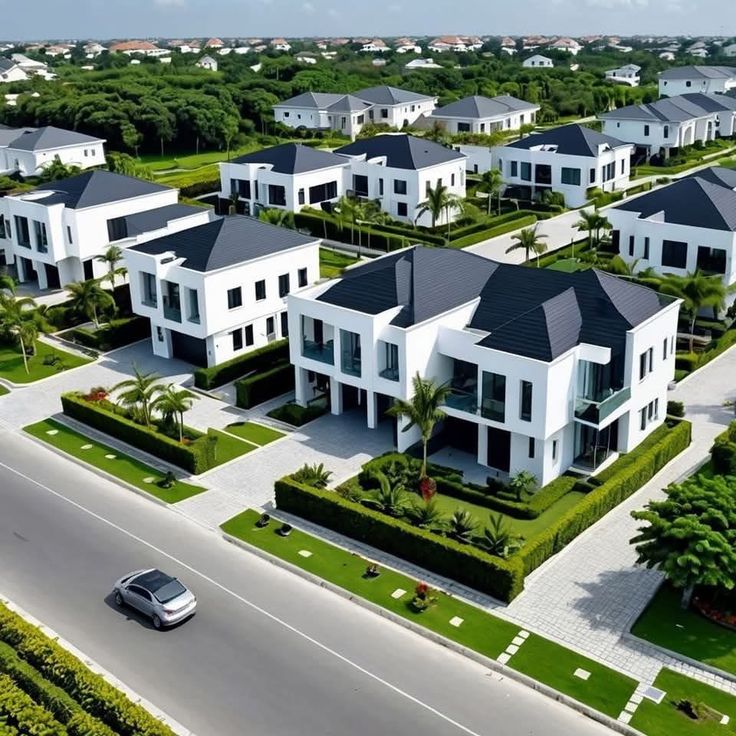
Sustainable real estate practices are gaining attention in Nigeria due to rapid urbanisation, population growth, and environmental challenges. Major cities across the country are expanding quickly, making environmentally responsible building methods urgent.
Without mincing words, sustainable real estate promotes energy efficiency, reducing Nigeria’s reliance on generators in the process. It is inclusive to note that solar power, natural lighting, and energy-saving appliances lower electricity costs and carbon emissions, supporting cleaner energy alternatives.
It is refreshing to know that sustainable practices address flooding and erosion by adopting better drainage planning and preserving natural water channels. Permeable materials allow water to flow naturally, making communities more resilient to climate-related challenges.
It is indicative to mention that locally sourced and recyclable materials reduce construction costs and environmental damage. Green building methods encourage proper waste management, promoting a healthier environment.
Sustainable buildings provide proper ventilation, natural lighting, and green spaces, promoting healthier living conditions. This is crucial in Nigeria, where overcrowded housing and poor ventilation persist.
To say sustainable real estate attracts developers and investors, offering higher property value, lower operating costs, and stronger long-term returns is stating the obvious. As awareness grows, demand for sustainable properties is expected to rise, paving the way for a greener future.

